Arc 3 Communications

  • Home
  • About Us
    • Our Founder
    • Our Approach
    • Our Values
  • Services
    • Content
    • Digital
    • Advocacy
  • Our Work
    • Content
    • Digital
    • Advocacy
  • Blog
    • Archive Page
  • Contact Us

How to Better Follow Up with Your Elected Officials Now

July 21, 2020 By Patrick L. Burns Leave a Comment

elected officials

After a successful meeting with an elected official to discuss an issue that is important to you, it is in your best interest to follow-up with that official in a timely fashion. This allows you to keep track on where the issue stands and what is being done to address it; as well as show your dedication to the issue. Below are steps to ensure your follow-up is successful and your issue remains at the forefront.

  1. Send a Thank You Letter

Promptly after the meeting, you should send a personal thank you letter to the elected official. They took time out of a busy schedule to meet with you about your issue, and even if they disagree with your stance, thanking them for their time and being courteous goes a long way. They will be more likely to listen to you on future issues. Be sure to proofread your letter and address to the correct location that ensures it gets into the right hands. Pro-tip: all elected officials, both past and present, are addressed as “The Honorable” instead of Mr., Mrs. Or Ms.

  1. Send Any Information and Materials

In a meeting with an elected official, you may offer or be asked to send additional information and materials on your issue. If there was something you couldn’t answer at the time of the meeting, or if the elected official requested additional information on the issue, make sure you send these in a timely manner. This will show you are credible and dedicated to the issue you are addressing. With these types of follow-ups, make sure the information and materials are clear and well organized and that the information given is cited with sources and credible. Giving inaccurate information can greatly damage your reputation with elected officials.

  1. Set Deadlines, Follow-up

During your meeting, if the elected official is unsure of their position, give them time to think on it and offer to provide them with more information. Inquire about when you should check back in to find out what your official plans to do regarding your issue. When the time agreed upon comes, send a follow-up email and make a phone call checking in on the issue. Be patient but be persistent, remember these officials are busy, if they have not reached a conclusion yet, set a new timeframe in which you can expect to check back in. Keep this process running so you and your issue don’t get overshadowed and forgotten.

  1. Attend Community Events in the District

Town hall meetings and other events are great opportunities to follow-up and touch base with elected officials and gather new information on your issue. If you participate and are engaged in a constructive way, you will build relationships and a reputation that will benefit you. These relationships will not only help you with your current issue, but you are more likely to be heard on future issues as well.

  1. Keep in Touch

You do not want to randomly contact your elected officials too much where you become a nuisance, but a regular well-timed check in email and phone call is recommended. Also, if you learn any new information regarding your issue that you feel may be of help, make sure you contact the office to be sure they are aware of this new information. If these communications are informative and direct, they can go a long way in helping keep your issue on their agenda.

Elected officials are not going to side with you on every issue, but if you always carry yourself respectfully and dignified, they will be more likely to hear your stance. They will also be more likely to view you as a credible source for information on future issues that they may agree with you on. How you follow up with your elected officials at the federal, state or local level after a meeting is important in advocating for your issue and building a strong relationship long term.


Filed Under: Government, Public Affairs Tagged With: Advocacy, Digital and Government, Elected Officials, Gov 2.0, Government, public affairs, Virtual Meetings

How to Safely and Securely Use Zoom for Government Meetings

July 14, 2020 By Patrick L. Burns Leave a Comment

The video-conferencing app, Zoom, has become a daily tool for many people during the COVID-19 pandemic. As cities and state across the country were shutting down to protect against the spread of the virus; state and local governments were trying to find ways in which they could move forward with important meetings while being unable to meet in person.

Zoom became a go-to due to its ease of use; ability to have up to 100 people attend a meeting; and free use for up to 40 minutes. A problem that arose was what became known as “Zoom bombing” where a person or persons gains access to the Zoom meeting by hacking or obtaining the Zoom chat information and causes disruptions to the meeting.

One example of this was during a Kansas City Council committee meeting when a hacker or hackers infiltrated the meeting and began cursing and using racial slurs until the committee was forced to shut down the meeting. Another occurrence was during a Maine’s Children’s Behavioral Health Townhall in which a hacker or hackers gained access and began displaying deeply disturbing and offensive images forcing the meeting to be shutdown.

In addition to Zoom bombings, there have been instances of camera and audio high jacking, in which hackers can take control of a user’s camera or audio device to bug a meeting or even install harmful spyware and malware onto a user’s device.

Instances like these have caused many governments to rethink whether they want to use the platform to conduct meetings. Luckily, there are steps you can take to ensure your government Zoom meeting is protected against these unwanted Zoom bombings. Below we provide a how-to on securing you state and local government Zoom meetings.

  1. Always Password Protect Your Meetings

The easiest way to prevent unwanted intrusion into your government meetings is simple and easy to do; set a password. You have the option to set the password at the individual meeting, user, group, or account level and it is suggested to use a different password for each meeting. In order to do this, log into your Zoom portal and go to the “settings” tab. From there enable “require a password when scheduling new meetings” and Zoom will generate a password each time a meeting is scheduled.

  1. Use a Randomly Generated Meeting ID

When creating a Zoom account, you are provided with your own personal meeting ID you can use to set up meetings. These are not ideal for use for government meetings; especially if planning on public input attendance. It is suggested you do not make your personal meeting ID public. Once someone has your personal meeting ID it can either be leaked or used to gain access to future meetings; instead it is suggested you use a randomly generated meeting id. You can select this option when setting up your meeting.

  1. Utilize the Waiting Room Feature

The waiting room is normally used for individual interviews or one-on-one sessions, it can be utilized to screen participants as they join before allowing them to come into a meeting. This gives the host greater control over session security and prevents anyone who may have obtained the login information dishonestly from joining.

  1. Disable Participant Screen Sharing, Mute Upon Entry

In order to avoid people showing inappropriate things such as happened in the aforementioned examples, disabling attendant’s ability to use screen share can help prevent that. Unless someone is scheduled to share a presentation or visual, going under the “security” tab during your active session and disabling screen share can help avoid unwanted disturbances. Also remember, as a host, you can choose to mute people upon entry or manually mute or unmute a participant during the meeting.

  1. Lock the Meeting Once it Begins

Once the time for the meeting has arrived and everyone is in attendance who is meant to be there, it is a good idea to “lock” your meeting to prevent others from joining. This can be done once the session has begun by going to the “Manage Participants” tab and clicking on “more.” From there you can click on “lock” and this will prevent anyone else from joining the meeting. It can be unlocked at any time if you need to admit anyone.

  1. Evict Troublesome Participants and Report

If someone happens to come into your meeting uninvited or a participant begins causing trouble, you, as the host, can remove that person from the meeting. This should be done immediately upon noticing an issue. All you have to do is mouse over the participant’s name and with the option pop-up chose the “remove” option. After you have done this you can report them to Zoom’s Trust and Safety team who will take appropriate action.

  1. Keep Your Zoom App Updated

As security and functionality issues arise, patches and updates are regularly released to combat these issues. Each time before using Zoom, you should always check to make sure you are updated to the latest version. This can be done by opening your application, going to your profile and selecting “Check for Updates.” The app will automatically scan and install any updates.

Using Zoom for government meetings is a good way to continue with important policy and public engagement processes during these trying times. Zoom is an ever-evolving platform that continues to take steps towards a more secure meeting experience. Making sure you take all precautions to secure your meetings will help prevent bad actors from gaining access and wreaking havoc. Government meetings are essential to keep state, cities, and counties running smoothly, and Zoom is one means to keep the wheel turning until we can all safely meet in person again.

Filed Under: Government, Public Affairs Tagged With: Advocacy, Arc 3 Communications, Digital and Government, Digital and Public Affairs, Gov 2.0, Government, public affairs, ZOOM

How to Utilize ZOOM to Engage Your Association Members During COVID-19

May 13, 2020 By Patrick L. Burns Leave a Comment

With the current COVID-19 pandemic, many are working from home and annual conferences and monthly and quarterly meetings have been postponed or cancelled. For associations, these meetings and conferences are a major part of what they offer members. This has prompted many to embrace their creativity and take these opportunities online as virtual experiences for their members. One of the challenges, however, is how to arrange a virtual meeting that offers your members the same value as they would get from an in-person event or conference. There are many ways your association can utilize virtual events to deliver value to your members. Below are some ideas for utilizing the Zoom virtual meeting platform for use for everything from group meetings, to continued education presentations, and even annual conferences.

About Zoom

Zoom has grown in popularity and usage due to the recent COVID-19 pandemic. This is because it is a platform that allows people to conduct virtual meetings and allows businesses and associations to continue operating. Zoom allows for up to 100 people to be present in a single meeting and with a paid subscription, unlimited meeting length (free version allows up to 40-minute meetings.) Audio and video capabilities, screen share, text chat function, and break-off rooms allow for many different uses of the platform. With a shift to virtual meetings on Zoom, there are some things to be aware of; and we will discuss those as well.

Zoom Meetings

The most popular use of Zoom for associations, especially during the COVID-19 pandemic, is Zoom group meetings. Zoom allows you to host meetings and invite people to them. These meetings allow for audio and video sharing as well as screen sharing. This is a great way to keep your members informed of policy or membership news or host an informative guest speaker or panel.  It is also very useful to hold important meetings with your board members to keep things running as smoothly as possible. Being able to set a password and invite specific people to meetings allows for privacy. You can set a schedule and send out reminders via email of upcoming meetings to ensure meetings are timely and successful.

Webinars and Continued Education

Zoom is also very useful for webinars and continued education opportunities. If your association usually offers courses, classes, or other learning opportunities, these can be done virtually so your members can still take full advantage. Set up much like a Zoom group meeting, you can have a presenter use share screen to show a presentation or have a lecture. The option to allow one person to be on video if desired and mute all attendees, helps prevent distractions and allows a more effective learning experience. Zoom also has the capability to stream live to YouTube and Facebook, so you can reach even more people if you would like to. This way any certifications or credits can still be achieved by your members without any roadblocks to accessibility. Zoom also allows for recording of sessions, so that it may be available later on to members at times convenient to them.

Networking Opportunities 

For some associations, a big part of what they offer are networking opportunities. Whether through annual conferences or monthly meetings, networking is a big part of what many associations do. With Zoom, you can allow members to come together; and using the breakaway feature, they can break off into smaller one-on-one meetings and then return to the main group later. Members can also utilize the private chat options to send text chat to other members and exchange information that way. If you have multiple committees within your association, you can set up separate meetings, so people can network with those most beneficial to them.

Zoom Etiquette and Other Tips

When it comes to Zoom meetings, it is very important to conduct yourself like you would during face-to face meetings. There are a few things to consider that will allow you to conduct yourself in a professional manner, and have a successful experience with virtual meetings and networking.

Be aware that your camera and audio are connected until you fully exit the Zoom application. Avoid doing or saying anything you wouldn’t want everyone to see or hear while the Zoom application is running, even if you are not actively in a meeting or think you are muted. Also, dress appropriately, if you would normally dress business or business casual, dress that way on Zoom meetings as well. You may be joining in from home, but you should still carry yourself professionally.

Use discretion when using Zoom backgrounds. These are backgrounds you can download to have displayed behind you during a meeting. Don’t use a flashy or inappropriate background that will cause distraction in a meeting. If you choose to use a background, pick a professional image such as an office backdrop. Also, test out the background before using it in a meeting in case there are any incompatibilities or technical issues.

As we continue to fight against the COVID-19 pandemic, it is important members know you are there for them. You must reach out as much as you can. Offering virtual opportunities is a great way to show value and keep your members informed of association activities. With the uncertainty caused by COVID-19, associations must get creative to keep things running and work hard to show value. Zoom group meetings, webinars, and networking events are great ways to offer members quality opportunities while we get through these difficult times.

For more information, or help with your association’s content marketing strategy, visit www.arc3communications.com or contact Patrick Burns at pburns@arc3communications.com or 678-348-6024.

Filed Under: Public Affairs Tagged With: Associations, COVID-19, Digital and Trade Associations, public affairs, ZOOM

How to Make an Impact With Your Elected Officials During COVID-19

April 23, 2020 By Patrick L. Burns Leave a Comment

Advocating for your business or association and being able to get your message across to your elected officials during the COVID-19 pandemic crisis can be intimidating. Elected officials are literally in the middle of making life saving decisions between public health and economic livelihoods. While the majority of us are sheltering in place and social distancing, there are still many ways in which you can be heard by your elected officials at the local, state and federal levels; and your input is now more important than ever. They were elected to represent and serve you, and they can best do that through your effective advocacy. Below are ways in which you can connect with your elected officials and communicate your message in a way that is clear and makes a lasting impression during this crisis.

Email Your Lawmaker 

One of the easiest ways to get in touch with your elected officials is by email. You can usually find elected officials’ emails on your local government’s website or sites such as Open Secrets  or your Secretary of State’s website. When writing an email to an elected official, there are many things to keep in mind to make sure your email is effective and well received. Below are some tips on successfully emailing your representatives:

  1. Put your name and address at the top of your message.
  2. Humanize your message.
  3. Be brief.
  4. Be clear about your position.
  5. Make your message timely.
  6. It is okay to disagree, but don’t be abusive or threaten.
  7. Avoid attachments.
  8. Don’t spam elected officials or their office.
  9. Be honest.
  10. Proofread your email.

These 10 rules are key to writing an effective email that will likely be read and resonate with your officials. They hold true anytime, but especially during the time crunch of a crisis.

Schedule a Virtual Visit with Your Elected Official

During normal times, an in-person visit is the best way to connect with your elected official and to leave a lasting impression. While this is close to impossible during the COVID-19 restrictions, local officials and state and federal lawmakers are making themselves available via virtual platforms for meetings with constituents. Schedule a virtual meeting on a platform such as Zoom, Skype or Google Hangout much like you would an in-person meeting. Lawmakers may have their virtual platform preference or may defer to yours. This is a good way to discuss the concerns and needs of your association, business or industry that are important to you during this critical time.  Virtual visits with elected officials must be scheduled with staff, and you must exercise patience, and understand that these officials’ schedules are extremely busy. Also, be respectful of their time when you do get a meeting, try to limit your meeting to 10-30 minutes. After your meeting, be sure to express your gratitude for the time taken to meet with you and let your elected official know you truly appreciate their time and the opportunity to meet with them. A virtual meeting is a great way to stand out among the many emails and letters these officials receive every day.

Prior to your meeting, make sure you have a plan or strategy for what you want to say and how you want to present your information and request. You want to be prepared for any questions or follow-ups that may come from your presentation. Make sure you are knowledgeable and informed on the topic you will be discussing in order to establish credibility and even bring some leave behind materials with printed information such as flyers, petitions, or fact sheets that can be shared via the screenshare or the chat function of the virtual platform. Be sure to also ask your representative’s stance on the issues at hand and their thoughts and ideas; this will help by letting them get involved with the conversation and may shed light on certain aspects of the issue you had not thought of.  Be sure to make your ask and wait for an answer; if the elected official’s response is undecided, ask when you may be able to follow up with the official or legislator and their staff for an answer. After your meeting, follow up as you would with an in-person meeting; write a follow up thank you letter and email to the elected official and their staff.

Call Your Legislator

If your time is limited, or it is important for you to get in contact immediately, calling elected officials may be your best option. A phone call could make the difference in the issue or help make progress and move things forward. When you call, remember to be professional, remain courteous and factual. Make sure you establish yourself as a constituent and a voter; this will make your elected official much more receptive. Much like in person or virtual meetings, make sure you plan and strategize your call before making it so you can stay on your message. Also, like with any other contact you may have with an elected official, thank them for their time and for hearing you out. 

Whichever communication channel you decide to use, make sure you always give your name, address, and telephone number and your relevancy to the elected officials district or area they represent to drive home the fact you are a constituent and voter. Always remain confident and professional when you are presenting where you stand on an issue especially during this time of crisis.  Do not be reluctant to contact your elected officials during this time; they are there to represent you and hear where you stand on issues that are important to you, your association, business or industry during the COVID-19 pandemic.  Your email, virtual meeting, or phone call could be the one to make the difference you’d like to see for your association, business or industry.

For more information or for help with your COVID 19 advocacy and government relations efforts visit our website at www.arc3communications.com or contact Patrick Burns at pburns@arc3communications.com or 678-907-2478.

Filed Under: Business Advocacy, Government, Public Affairs Tagged With: Advocacy, COVID 19 advocacy, COVID 19 elected officials, COVID 19 government relations, COVID 19 public affairs, COVID-19, Elected Officials, government relations, public affairs

How to Show Your Members More Value During the COVID-19 Pandemic Crisis Now

April 6, 2020 By Patrick L. Burns Leave a Comment

COVID-19 has caused associations across the country to cancel annual conferences and other important member activities to protect the well-being of their members and themselves. With uncertainty as to when large gatherings will be allowed to take place again,There are many ways an association can show their worth and maintain relationships with members and sponsors alike. Below we have listed some ideas that will help you show your value in these challenging times to your members and potential future members.

1. Virtual Meetings and Webinars

Many people have taken to the popular video meeting app, ZOOM, as a way to conduct business meetings and keep things running as smoothly as possible. ZOOM allows multiple people to join in a video conference together where they can choose to share video and audio as they meet with others. There are share screen options so sponsors and members can give presentations they have prepared to up to 100 participants at a given time. This tool can be utilized in a number of ways for your association such as hosting member webinars, association meetings, courses, and other events. This is not the only digital conference tool available, and there are many available if you have specific needs to be met. ZOOM is free to use for 40-minute group meetings or an unlimited one to one meeting. There are premium paid options that allow for longer meet times and more participants. Virtual meetings, webinars, and courses are a great option to keep members engaged and feeling valued.

2. Keep Communications Open

Whether or not you have had to cancel events or not, it is very wise to keep communication with your members and sponsors open during this time. Providing them with updates, news, and plans show them that you are considering them and their well-being during the COVID-19 pandemic. A weekly email update is a great way to keep in touch and let your association members and sponsors know if and when things change and what the association’s plan is if they do have to cancel or reschedule an event. If an event is canceled, many members and sponsors may want their money back, or they may be looking for other ways you can get them what they’d hoped to get out of the canceled event. This is where hosting a virtual meet and greet could come into play or scheduling a presentation by your sponsors to the group they had hoped to target at your event. There are many options you can offer before giving an automatic refund that could be more beneficial to your sponsors and members and really show them that you are working your way through the challenge to bring them value. They will respect your dedication and it will strengthen the relationships you have.

3. Be Empathetic and Provide Resources 

Many of your members and sponsors are part of companies that are dealing with their own challenges that have arisen due to COVID-19. Some businesses and companies are having a harder time than others in navigating their way through this crisis, so empathy and useful resources are always welcome. Reach out and let your members and sponsors know you are there for them and send along any resources that might be helpful. There is no shortage of useful information for businesses and companies who are working their way through these uncharted waters; sending them this helpful information can go a long way in showing that you appreciate them and are supporting them. Make sure to word your messages in an empathetic and hopeful way to help alleviate stress and let your members and sponsors know we are all in this together.

Help and Hope

As an association, your members and sponsors are what make your association run. They trust you and look to you in times like this for support and guidance. Doing all you can to show your value will not only keep your members happy but will help strengthen those relationships and cause these members to want to stay with you through thick and thin. It is important in these trying times that we all step up and show our value and help one another through. COVID-19 is unlike anything we have faced in recent times and it is taking a lot of hard work and effort to get through. The more we help each other, the easier overcoming this major challenge will be.

For more help with your association’s needs sign up for our newsletter, follow us on social media or contact us here.

Filed Under: News, Public Affairs Tagged With: Assnchat, Associations, COVID-19, Digital and Public Affairs, Digital and Trade Associations, Digital Media and Trade Associations, public affairs

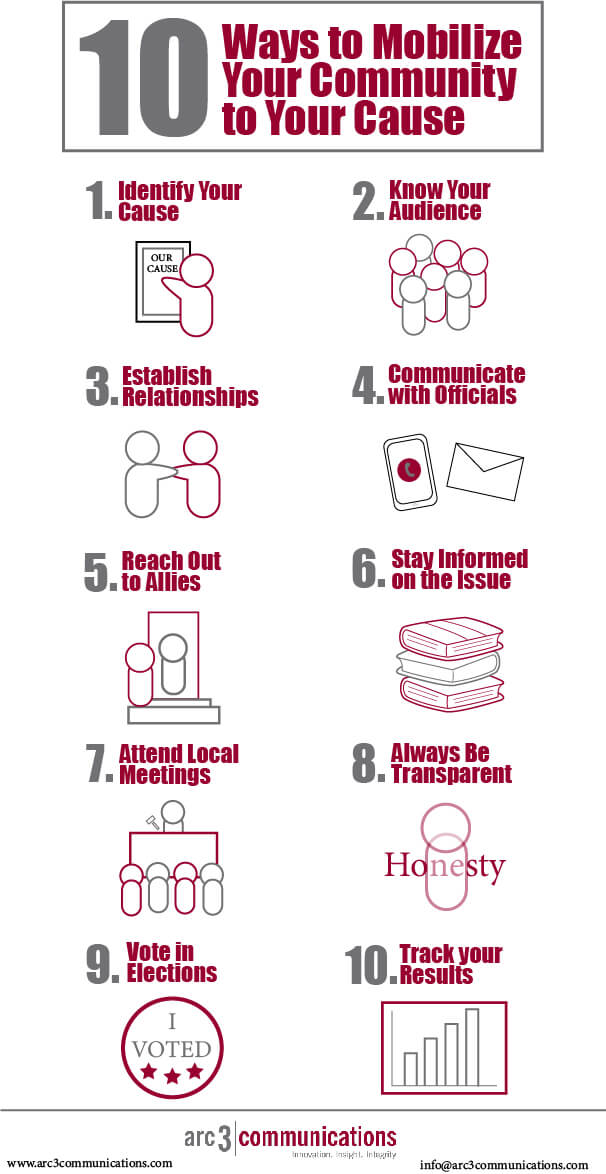
10 Ways to Mobilize Your Community to Your Cause Infographic

January 10, 2020 By Patrick L. Burns Leave a Comment

When it comes to making a change in your district, the most powerful tool you have is your community. The ways in which you can mobilize your community has evolved with the introduction of the internet and social media, but many of the traditional methods still remain useful.

Filed Under: Government, Public Affairs Tagged With: Advocacy, public affairs

How to Know if You Have a Strong Association Website

January 7, 2020 By Patrick L. Burns Leave a Comment

Trade associations, like everyone else, have made the move to the digital world. Recruitment, education, events, donations, and industry news are all now shared online through their websites and social media accounts. Many members register through the association’s website and rely on this website for the latest news and updates regarding the association and the industry itself. With this being the case, it is vital for your trade association’s success that your website be secure, up to date, mobile first, and user friendly.  Below we discuss the importance of each of these aspects, and what you can do to make sure your association’s website meets these criteria.

  1. Have a clean, up-to-date website

One of the first aspects that should be considered with your trade association’s website is if it is clean and representative of your association. Outdated websites look clunky and can be hard to navigate for users. If your site is not already on WordPress; we highly recommend making the switch over. Over 34% of the world’s websites are built using WordPress including major industries such as Disney, Sony, and The New York Times. WordPress is the best content management system on the market. It’s ease of use, functionality and affordability make it one of the best CMS systems in the world. A variety of themes, plug-ins, and design elements allow for your WordPress website to be created to your specifications. It is easy to make a site that is user friendly and simple to navigate. Websites built on WordPress look professional, clean, and go far in making sure your members have a positive user experience.

  1. Keep your website safe and secure

In the digital realm, security is of the utmost importance. Your members’ data as well as your reputation may be on the line if your website falls victim to hacking. There are many negative effects an attack on your website could cause. Identity theft, slow speed, having your account suspended, and a complete crash are a few of the big things that can happen; all of which can tarnish or even ruin your reputation. A lot of the time, for WordPress sites, these attacks take place when themes and plug-ins are not regularly updated. Updates are usually released to better the security of a theme or plug-in and leaving yours out of date leaves your website open to bad actors. An easy way to prevent this and stay updated is to have a maintenance plan, this is someone who regularly updates all of your plug-ins and themes, creates backups, and performs security scans. These plans are affordable; and save you time and money in the long run if something were to happen to your website.

  1. Having a Mobile-First Website

One of the most important aspects of your website is that it is mobile first. This simply means that it is optimized to be viewed on mobile devices without losing quality or functionality. Most people view websites now on their smartphones and mobile devices and your website needs to show up looking just as good as it does on a desktop. Not having a mobile first website will not only effect how your visitors see your website on their devices, but also how Google will rank your website. This, in turn, affects where your site falls on the search engine result page (SERP) which is the page you see when you search for your association or related industry key terms on Google. If you are unsure if your website is mobile friendly, simply attempt to look at it on your phone. Make sure to test all of the menus and features to make sure they work and load quickly.  You can also run a mobile test with Google here.

  1. Strong, Timely, Thoughtful Content

When you have a secure, mobile first website that looks amazing, you need to fill it with strong and engaging content that will bring visitors to your site and help drive your membership. Content can take a number of forms including blogs, videos, photos, podcasts, infographics, case studies, white pages, and reviews. It is suggested that you have thought-leadership content that relates to your association’s industry and will be of interest to your audience. Regularly releasing relevant content will not only keep people interested and visiting your site, it will also help your Google rankings. For associations, it is also good to continue to provide your members with good content, so they feel they are getting the value they deserve for their membership. It is even possible to make some content members only or paid content to add the additional value to members. A good content marketing strategy will keep your association’s website timely and relevant.

All of these aspects work together to make sure your association is well represented by your website and has a strong online presence. This helps your membership retention and recruitment, credibility, and overall value. Arc 3 Communications provides everything you need to build, operate, and maintain a professional association website. We also are able to create and put in motion a content marketing strategy that will work for your association including content calendars, content creation, and content program analysis. Our maintenance plans assure your website is safe and secure and all of your themes and plugins are updated. This also includes backups of your website and performance scans to make sure your website is running smoothly and quickly. For help optimizing your association’s website, contact us at pburns@arc3communications.com or call us at 678-348-6024.

For more information visit us at www.arc3communications.com.


Filed Under: Content Marketing Tagged With: Arc 3 Communications, Association, Digital and Public Affairs, Digital and Trade Associations, public affairs

Ways to Mobilize Your Community to Support Your Cause

June 26, 2019 By Patrick L. Burns Leave a Comment

When it comes to making a change in your community, the most powerful tool you have is the community itself. How you can mobilize your community has evolved with the growth of social media, but many of the traditional methods still remain most useful. In fact, all of these tactics should be used together to bring awareness and organize your community to support your issue and gain the attention of your elected officials. This article will explore what is known as “slacktivism,” a form of social media engagement regarding a cause, and traditional tactics to bringing attention and action to an issue.

Slacktivism

In our age of social media, many issues become viral social media campaigns resulting in shares, comments, likes, and views but most of the time, little else. This isn’t to say “slacktivism” is entirely useless, in fact, it does raise awareness of an issue and can even inform people and get people talking about the subject. The problem lies in that these campaigns alone rarely result in action being taken. People comment, like, and share or sign an online petition and feel accomplished, like they have done something to help the issue when, in fact, it takes much more effort than that. This is why the term is a combination of “slacker” and “activism” because not much effort goes into participating in these online interactions and involvement often ends there.

This does not mean that online advocacy is useless, as previously stated, it can work wonders in raising awareness and spreading a message further and faster than many traditional forms of information sharing. It becomes hindered when it ends with this social media step. When people hit share and feel they have done enough and then move on. In turn, if it goes on to spark action and mobilization in the non-digital world, then it can be measured as a useful tactic. Online advocacy should be viewed as a tool, and not a complete solution to driving your issue. 

Traditional

The traditional ways are still the most effective for mobilizing your community. Traditional methods are complemented and enhanced by the online and social media aspects we have in the digital age, but the tried and true forms of raising awareness and prompting action still hold strong. As stated before, engagement efforts must be utilized offline in the community itself to see real results. Writing letters and direct mail, volunteer phone banking, going door to door, and organizing local precinct level meetings are proven ways to reach the people of your area and really add voices to your cause. These tactics allow you to know that you are reaching the population you intend to reach and also allow you to form relationships that will benefit your cause in the long run. These traditional strategies combined with an online strategy will help mobilize your community. The effectiveness of your traditional and online strategies, however, hinges on a properly developed and crafted message. It is vital that your message informs and is credible and factual.  You also want to be prepared to answer any tough questions that may be raised regarding your position and help alleviate any concerns among elected officials, the media and the public. Having a message that is factual and based on credible personal stories and sources goes a long way in building support.

In Conclusion

When bringing attention to an issue, both new and traditional tactics can be used together to mobilize your community, gain support, and ultimately bring about desired policy and legislative changes. Digital advocacy and social media campaigns are persuasive and bring awareness, while traditional measures bring people to concrete action within the community. A balance of these different tactics will help result in successful campaigns. These strategies used with a strong message, grab people’s attention and provide them with enough facts to make an educated decision to act. A community mobilized behind an issue is an extremely effective force in getting a legislative or policy change. In fact, it’s near impossible to get things done otherwise.

Need more advice or help?

For more information, visit us at www.arc3communications.com or contact Patrick Burns at pburns@arc3communications.com. We look forward to working with you to achieve your goals and help your voice be heard to bring positive changes to your community.

Filed Under: Business Advocacy, Community Involvement, Public Affairs Tagged With: Advocacy, Community Involvement, Legislation, Policy Change, public affairs

Merry Christmas and Happy New Year!

December 23, 2012 By Patrick L. Burns 1 Comment

Thank you to our friends, strategic partners and most especially clients who have helped to make Arc 3 Communications’ first year a tremendous success. We look forward to a prosperous 2013 full of innovation and interesting work in public relations, interactive marketing and public affairs.

Merry Christmas and Happy New Year!

Patrick L. Burns, President, Arc 3 Communications


Filed Under: Digital Marketing, Public Affairs, Uncategorized Tagged With: Atlanta Interactive Marketing, Atlanta Public Affairs, Atlanta Public Relations, Christmas, interactive marketing, New Year, New Year 2013, public affairs, public relations

Storify and the Power of Content Curation

October 2, 2012 By Patrick L. Burns Leave a Comment

Storify is a powerful tool for content curation. In today’s digital age of social media and mobile devices, everyone is now a content producer as the 24 hour news cycle yearns for instant reporting of news events. Storify is a platform upon which individuals can aggregate tweets, posts, photographs, videos and links from social media including Facebook, Twitter, Instagram, YouTube, Pinterest, Google+, Reddit and Flicker to create powerful stories on any subject matter. Storify creates a new layer above the social networks that helps users create a coherent story that is interactive and dynamic.

Started in 2009 in San Fransico, Ca. by founders Burt Herman and Xaxier Damman, Storify currently has well over a million and half individual users. News media outlets from the Wall Street Journal to ABC News have reporters and editors that are using Storify to curate content from the social web. Presidential candidates Mitt Romney and Barack Obama also utilize Storify in their campaign efforts. Team Romney has created 145 stories while President Obama’s campaign has created 78 stories on Storify. The Romney campaign was able to obtain over 38,000 views of a Storify story regarding a bus tour that coincided with Romney’s announcement of Paul Ryan as his pick for Vice President. President Obama’s campaign used Storify to highlight First Lady Michelle Obama’s trip to the Olympics in London to draw attention to her visit.

Our founder and President of Arc 3 Communications, Patrick Burns recently used Storify to curate content from social media to tell the story of his experience as a Delegate from Ga. to the Republican National Convention in Tampa, Fla. Patrick was able to use Storify’s bookmarklet to drag and drop status updates, photos and videos from Twitter, Facebook, Foursquare, YouTube and Instagram to bring together the social media elements that best illustrated his experience as a Delegate in Tampa. Storify not only allowed for the collection of elements from social media, but also allowed for the writing of a headline, introduction and text inside his story. As one who utilized social media and pitched traditional media at the convention, Storify was an excellent vehicle to assist Patrick in pulling together all the elements of his trip and better communicate his experience. Upon completion of his story, Storify also allowed Patrick to share his story with his social networks, and notify all the people quoted in his story such as comedian, Dennis Miller; RNC Chairman, Reince Preibus; Mitt Romney; Chris “The Fix” Cillizza of the Washington Post, Erik Erickson of Red State.com and Timothy Carney of the Washington Examiner. Storify’s platform also allows readers to interact with the social media elements of Patrick’s story and share it with their followers.

Below is a link to Patrick’s story in Storify regarding his experience as a Delegate as told via the many social media networks that were prevalent at the RNC Convention.

http://storify.com/PatrickLBurns/arc-3-founder-serves-as-delegate-to-republican-nat


Filed Under: Blogger relations, Campaign Management, Campaigns and Elections, Digital Marketing, Government, Message Development, News, Public Affairs, Social Media Relations Tagged With: Atlanta, Blogger relations, Burt Herman, Content Marketing, curation, Dennis Miller, Foursquare, Ga. GOP, Google, GOP2012, interactive marketing, journalism, Mashable, Mitt Romney, Paul Ryan, pinterest, public affairs, public relations, Reddit, Reince Preibus, RNC, social media, Storify, Tampa

  • « Previous Page
  • 1
  • 2
  • 3
  • 4
  • Next Page »

Newsletter

Want to receive the latest news in digital and public affairs? Sign up to receive our updates.

Recent Posts

  • Join Our Team! Public Affairs Internship Opportunity in Georgia
  • Arc 3 Communications Celebrates 15-year Business Anniversary
  • We’re hiring! Director, Government Relations Position in Chicago!
  • Arc 3 Communications Announces New Director of Government Relations, Southwest
  • Why Advocacy at the Local Level is Crucial to Your Association’s Success

About Our Founder

Husband, Father of 5, Founder of Arc 3 Communications - a public affairs agency. Over 30 years in politics and public affairs. Follow me on twitter and instagram at @patricklburns. I live, work and play in the community I grew up in. Read More…

Our Location

We’re located in historic downtown Marietta just off of the Square.

244 Roswell Street SE Suite 300 Marietta, Georgia 30060

Let’s Work Together

How can we help? We’d love to hear about your next  project. Contact us here.


Connect with Us

Want to keep up with the latest public affairs trends? Follow us across our social networks.

  • Facebook
  • LinkedIn
  • Twitter

Copyright © 2026 Arc 3 Communications, LLC