Arc 3 Communications

  • Home
  • About Us
    • Our Founder
    • Our Approach
    • Our Values
  • Services
    • Content
    • Digital
    • Advocacy
  • Our Work
    • Content
    • Digital
    • Advocacy
  • Blog
    • Archive Page
  • Contact Us

How to Better Follow Up with Your Elected Officials Now

July 21, 2020 By Patrick L. Burns Leave a Comment

elected officials

After a successful meeting with an elected official to discuss an issue that is important to you, it is in your best interest to follow-up with that official in a timely fashion. This allows you to keep track on where the issue stands and what is being done to address it; as well as show your dedication to the issue. Below are steps to ensure your follow-up is successful and your issue remains at the forefront.

  1. Send a Thank You Letter

Promptly after the meeting, you should send a personal thank you letter to the elected official. They took time out of a busy schedule to meet with you about your issue, and even if they disagree with your stance, thanking them for their time and being courteous goes a long way. They will be more likely to listen to you on future issues. Be sure to proofread your letter and address to the correct location that ensures it gets into the right hands. Pro-tip: all elected officials, both past and present, are addressed as “The Honorable” instead of Mr., Mrs. Or Ms.

  1. Send Any Information and Materials

In a meeting with an elected official, you may offer or be asked to send additional information and materials on your issue. If there was something you couldn’t answer at the time of the meeting, or if the elected official requested additional information on the issue, make sure you send these in a timely manner. This will show you are credible and dedicated to the issue you are addressing. With these types of follow-ups, make sure the information and materials are clear and well organized and that the information given is cited with sources and credible. Giving inaccurate information can greatly damage your reputation with elected officials.

  1. Set Deadlines, Follow-up

During your meeting, if the elected official is unsure of their position, give them time to think on it and offer to provide them with more information. Inquire about when you should check back in to find out what your official plans to do regarding your issue. When the time agreed upon comes, send a follow-up email and make a phone call checking in on the issue. Be patient but be persistent, remember these officials are busy, if they have not reached a conclusion yet, set a new timeframe in which you can expect to check back in. Keep this process running so you and your issue don’t get overshadowed and forgotten.

  1. Attend Community Events in the District

Town hall meetings and other events are great opportunities to follow-up and touch base with elected officials and gather new information on your issue. If you participate and are engaged in a constructive way, you will build relationships and a reputation that will benefit you. These relationships will not only help you with your current issue, but you are more likely to be heard on future issues as well.

  1. Keep in Touch

You do not want to randomly contact your elected officials too much where you become a nuisance, but a regular well-timed check in email and phone call is recommended. Also, if you learn any new information regarding your issue that you feel may be of help, make sure you contact the office to be sure they are aware of this new information. If these communications are informative and direct, they can go a long way in helping keep your issue on their agenda.

Elected officials are not going to side with you on every issue, but if you always carry yourself respectfully and dignified, they will be more likely to hear your stance. They will also be more likely to view you as a credible source for information on future issues that they may agree with you on. How you follow up with your elected officials at the federal, state or local level after a meeting is important in advocating for your issue and building a strong relationship long term.

Filed Under: Government, Public Affairs Tagged With: Advocacy, Digital and Government, Elected Officials, Gov 2.0, Government, public affairs, Virtual Meetings

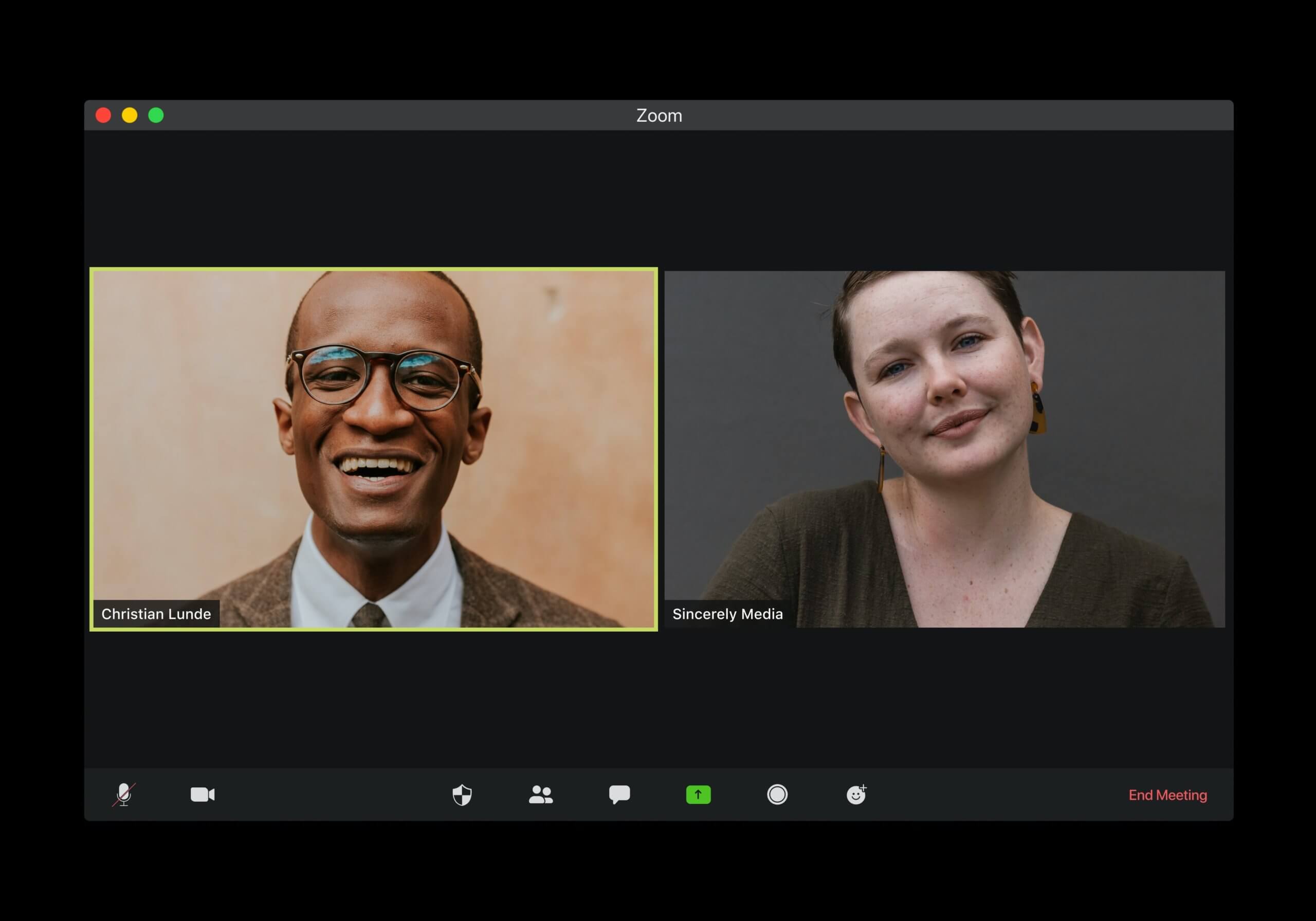
How to Safely and Securely Use Zoom for Government Meetings

July 14, 2020 By Patrick L. Burns Leave a Comment

The video-conferencing app, Zoom, has become a daily tool for many people during the COVID-19 pandemic. As cities and state across the country were shutting down to protect against the spread of the virus; state and local governments were trying to find ways in which they could move forward with important meetings while being unable to meet in person.

Zoom became a go-to due to its ease of use; ability to have up to 100 people attend a meeting; and free use for up to 40 minutes. A problem that arose was what became known as “Zoom bombing” where a person or persons gains access to the Zoom meeting by hacking or obtaining the Zoom chat information and causes disruptions to the meeting.

One example of this was during a Kansas City Council committee meeting when a hacker or hackers infiltrated the meeting and began cursing and using racial slurs until the committee was forced to shut down the meeting. Another occurrence was during a Maine’s Children’s Behavioral Health Townhall in which a hacker or hackers gained access and began displaying deeply disturbing and offensive images forcing the meeting to be shutdown.

In addition to Zoom bombings, there have been instances of camera and audio high jacking, in which hackers can take control of a user’s camera or audio device to bug a meeting or even install harmful spyware and malware onto a user’s device.

Instances like these have caused many governments to rethink whether they want to use the platform to conduct meetings. Luckily, there are steps you can take to ensure your government Zoom meeting is protected against these unwanted Zoom bombings. Below we provide a how-to on securing you state and local government Zoom meetings.

  1. Always Password Protect Your Meetings

The easiest way to prevent unwanted intrusion into your government meetings is simple and easy to do; set a password. You have the option to set the password at the individual meeting, user, group, or account level and it is suggested to use a different password for each meeting. In order to do this, log into your Zoom portal and go to the “settings” tab. From there enable “require a password when scheduling new meetings” and Zoom will generate a password each time a meeting is scheduled.

  1. Use a Randomly Generated Meeting ID

When creating a Zoom account, you are provided with your own personal meeting ID you can use to set up meetings. These are not ideal for use for government meetings; especially if planning on public input attendance. It is suggested you do not make your personal meeting ID public. Once someone has your personal meeting ID it can either be leaked or used to gain access to future meetings; instead it is suggested you use a randomly generated meeting id. You can select this option when setting up your meeting.

  1. Utilize the Waiting Room Feature

The waiting room is normally used for individual interviews or one-on-one sessions, it can be utilized to screen participants as they join before allowing them to come into a meeting. This gives the host greater control over session security and prevents anyone who may have obtained the login information dishonestly from joining.

  1. Disable Participant Screen Sharing, Mute Upon Entry

In order to avoid people showing inappropriate things such as happened in the aforementioned examples, disabling attendant’s ability to use screen share can help prevent that. Unless someone is scheduled to share a presentation or visual, going under the “security” tab during your active session and disabling screen share can help avoid unwanted disturbances. Also remember, as a host, you can choose to mute people upon entry or manually mute or unmute a participant during the meeting.

  1. Lock the Meeting Once it Begins

Once the time for the meeting has arrived and everyone is in attendance who is meant to be there, it is a good idea to “lock” your meeting to prevent others from joining. This can be done once the session has begun by going to the “Manage Participants” tab and clicking on “more.” From there you can click on “lock” and this will prevent anyone else from joining the meeting. It can be unlocked at any time if you need to admit anyone.

  1. Evict Troublesome Participants and Report

If someone happens to come into your meeting uninvited or a participant begins causing trouble, you, as the host, can remove that person from the meeting. This should be done immediately upon noticing an issue. All you have to do is mouse over the participant’s name and with the option pop-up chose the “remove” option. After you have done this you can report them to Zoom’s Trust and Safety team who will take appropriate action.

  1. Keep Your Zoom App Updated

As security and functionality issues arise, patches and updates are regularly released to combat these issues. Each time before using Zoom, you should always check to make sure you are updated to the latest version. This can be done by opening your application, going to your profile and selecting “Check for Updates.” The app will automatically scan and install any updates.

Using Zoom for government meetings is a good way to continue with important policy and public engagement processes during these trying times. Zoom is an ever-evolving platform that continues to take steps towards a more secure meeting experience. Making sure you take all precautions to secure your meetings will help prevent bad actors from gaining access and wreaking havoc. Government meetings are essential to keep state, cities, and counties running smoothly, and Zoom is one means to keep the wheel turning until we can all safely meet in person again.

Filed Under: Government, Public Affairs Tagged With: Advocacy, Arc 3 Communications, Digital and Government, Digital and Public Affairs, Gov 2.0, Government, public affairs, ZOOM

How to Utilize ZOOM to Engage Your Association Members During COVID-19

May 13, 2020 By Patrick L. Burns Leave a Comment

With the current COVID-19 pandemic, many are working from home and annual conferences and monthly and quarterly meetings have been postponed or cancelled. For associations, these meetings and conferences are a major part of what they offer members. This has prompted many to embrace their creativity and take these opportunities online as virtual experiences for their members. One of the challenges, however, is how to arrange a virtual meeting that offers your members the same value as they would get from an in-person event or conference. There are many ways your association can utilize virtual events to deliver value to your members. Below are some ideas for utilizing the Zoom virtual meeting platform for use for everything from group meetings, to continued education presentations, and even annual conferences.

About Zoom

Zoom has grown in popularity and usage due to the recent COVID-19 pandemic. This is because it is a platform that allows people to conduct virtual meetings and allows businesses and associations to continue operating. Zoom allows for up to 100 people to be present in a single meeting and with a paid subscription, unlimited meeting length (free version allows up to 40-minute meetings.) Audio and video capabilities, screen share, text chat function, and break-off rooms allow for many different uses of the platform. With a shift to virtual meetings on Zoom, there are some things to be aware of; and we will discuss those as well.

Zoom Meetings

The most popular use of Zoom for associations, especially during the COVID-19 pandemic, is Zoom group meetings. Zoom allows you to host meetings and invite people to them. These meetings allow for audio and video sharing as well as screen sharing. This is a great way to keep your members informed of policy or membership news or host an informative guest speaker or panel.  It is also very useful to hold important meetings with your board members to keep things running as smoothly as possible. Being able to set a password and invite specific people to meetings allows for privacy. You can set a schedule and send out reminders via email of upcoming meetings to ensure meetings are timely and successful.

Webinars and Continued Education

Zoom is also very useful for webinars and continued education opportunities. If your association usually offers courses, classes, or other learning opportunities, these can be done virtually so your members can still take full advantage. Set up much like a Zoom group meeting, you can have a presenter use share screen to show a presentation or have a lecture. The option to allow one person to be on video if desired and mute all attendees, helps prevent distractions and allows a more effective learning experience. Zoom also has the capability to stream live to YouTube and Facebook, so you can reach even more people if you would like to. This way any certifications or credits can still be achieved by your members without any roadblocks to accessibility. Zoom also allows for recording of sessions, so that it may be available later on to members at times convenient to them.

Networking Opportunities 

For some associations, a big part of what they offer are networking opportunities. Whether through annual conferences or monthly meetings, networking is a big part of what many associations do. With Zoom, you can allow members to come together; and using the breakaway feature, they can break off into smaller one-on-one meetings and then return to the main group later. Members can also utilize the private chat options to send text chat to other members and exchange information that way. If you have multiple committees within your association, you can set up separate meetings, so people can network with those most beneficial to them.

Zoom Etiquette and Other Tips

When it comes to Zoom meetings, it is very important to conduct yourself like you would during face-to face meetings. There are a few things to consider that will allow you to conduct yourself in a professional manner, and have a successful experience with virtual meetings and networking.

Be aware that your camera and audio are connected until you fully exit the Zoom application. Avoid doing or saying anything you wouldn’t want everyone to see or hear while the Zoom application is running, even if you are not actively in a meeting or think you are muted. Also, dress appropriately, if you would normally dress business or business casual, dress that way on Zoom meetings as well. You may be joining in from home, but you should still carry yourself professionally.

Use discretion when using Zoom backgrounds. These are backgrounds you can download to have displayed behind you during a meeting. Don’t use a flashy or inappropriate background that will cause distraction in a meeting. If you choose to use a background, pick a professional image such as an office backdrop. Also, test out the background before using it in a meeting in case there are any incompatibilities or technical issues.

As we continue to fight against the COVID-19 pandemic, it is important members know you are there for them. You must reach out as much as you can. Offering virtual opportunities is a great way to show value and keep your members informed of association activities. With the uncertainty caused by COVID-19, associations must get creative to keep things running and work hard to show value. Zoom group meetings, webinars, and networking events are great ways to offer members quality opportunities while we get through these difficult times.

For more information, or help with your association’s content marketing strategy, visit www.arc3communications.com or contact Patrick Burns at pburns@arc3communications.com or 678-348-6024.

Filed Under: Public Affairs Tagged With: Associations, COVID-19, Digital and Trade Associations, public affairs, ZOOM

How to Make an Impact With Your Elected Officials During COVID-19

April 23, 2020 By Patrick L. Burns Leave a Comment

Advocating for your business or association and being able to get your message across to your elected officials during the COVID-19 pandemic crisis can be intimidating. Elected officials are literally in the middle of making life saving decisions between public health and economic livelihoods. While the majority of us are sheltering in place and social distancing, there are still many ways in which you can be heard by your elected officials at the local, state and federal levels; and your input is now more important than ever. They were elected to represent and serve you, and they can best do that through your effective advocacy. Below are ways in which you can connect with your elected officials and communicate your message in a way that is clear and makes a lasting impression during this crisis.

Email Your Lawmaker 

One of the easiest ways to get in touch with your elected officials is by email. You can usually find elected officials’ emails on your local government’s website or sites such as Open Secrets  or your Secretary of State’s website. When writing an email to an elected official, there are many things to keep in mind to make sure your email is effective and well received. Below are some tips on successfully emailing your representatives:

  1. Put your name and address at the top of your message.
  2. Humanize your message.
  3. Be brief.
  4. Be clear about your position.
  5. Make your message timely.
  6. It is okay to disagree, but don’t be abusive or threaten.
  7. Avoid attachments.
  8. Don’t spam elected officials or their office.
  9. Be honest.
  10. Proofread your email.

These 10 rules are key to writing an effective email that will likely be read and resonate with your officials. They hold true anytime, but especially during the time crunch of a crisis.

Schedule a Virtual Visit with Your Elected Official

During normal times, an in-person visit is the best way to connect with your elected official and to leave a lasting impression. While this is close to impossible during the COVID-19 restrictions, local officials and state and federal lawmakers are making themselves available via virtual platforms for meetings with constituents. Schedule a virtual meeting on a platform such as Zoom, Skype or Google Hangout much like you would an in-person meeting. Lawmakers may have their virtual platform preference or may defer to yours. This is a good way to discuss the concerns and needs of your association, business or industry that are important to you during this critical time.  Virtual visits with elected officials must be scheduled with staff, and you must exercise patience, and understand that these officials’ schedules are extremely busy. Also, be respectful of their time when you do get a meeting, try to limit your meeting to 10-30 minutes. After your meeting, be sure to express your gratitude for the time taken to meet with you and let your elected official know you truly appreciate their time and the opportunity to meet with them. A virtual meeting is a great way to stand out among the many emails and letters these officials receive every day.

Prior to your meeting, make sure you have a plan or strategy for what you want to say and how you want to present your information and request. You want to be prepared for any questions or follow-ups that may come from your presentation. Make sure you are knowledgeable and informed on the topic you will be discussing in order to establish credibility and even bring some leave behind materials with printed information such as flyers, petitions, or fact sheets that can be shared via the screenshare or the chat function of the virtual platform. Be sure to also ask your representative’s stance on the issues at hand and their thoughts and ideas; this will help by letting them get involved with the conversation and may shed light on certain aspects of the issue you had not thought of.  Be sure to make your ask and wait for an answer; if the elected official’s response is undecided, ask when you may be able to follow up with the official or legislator and their staff for an answer. After your meeting, follow up as you would with an in-person meeting; write a follow up thank you letter and email to the elected official and their staff.

Call Your Legislator

If your time is limited, or it is important for you to get in contact immediately, calling elected officials may be your best option. A phone call could make the difference in the issue or help make progress and move things forward. When you call, remember to be professional, remain courteous and factual. Make sure you establish yourself as a constituent and a voter; this will make your elected official much more receptive. Much like in person or virtual meetings, make sure you plan and strategize your call before making it so you can stay on your message. Also, like with any other contact you may have with an elected official, thank them for their time and for hearing you out. 

Whichever communication channel you decide to use, make sure you always give your name, address, and telephone number and your relevancy to the elected officials district or area they represent to drive home the fact you are a constituent and voter. Always remain confident and professional when you are presenting where you stand on an issue especially during this time of crisis.  Do not be reluctant to contact your elected officials during this time; they are there to represent you and hear where you stand on issues that are important to you, your association, business or industry during the COVID-19 pandemic.  Your email, virtual meeting, or phone call could be the one to make the difference you’d like to see for your association, business or industry.

For more information or for help with your COVID 19 advocacy and government relations efforts visit our website at www.arc3communications.com or contact Patrick Burns at pburns@arc3communications.com or 678-907-2478.

Filed Under: Business Advocacy, Government, Public Affairs Tagged With: Advocacy, COVID 19 advocacy, COVID 19 elected officials, COVID 19 government relations, COVID 19 public affairs, COVID-19, Elected Officials, government relations, public affairs

How to Show Your Members More Value During the COVID-19 Pandemic Crisis Now

April 6, 2020 By Patrick L. Burns Leave a Comment

COVID-19 has caused associations across the country to cancel annual conferences and other important member activities to protect the well-being of their members and themselves. With uncertainty as to when large gatherings will be allowed to take place again,There are many ways an association can show their worth and maintain relationships with members and sponsors alike. Below we have listed some ideas that will help you show your value in these challenging times to your members and potential future members.

1. Virtual Meetings and Webinars

Many people have taken to the popular video meeting app, ZOOM, as a way to conduct business meetings and keep things running as smoothly as possible. ZOOM allows multiple people to join in a video conference together where they can choose to share video and audio as they meet with others. There are share screen options so sponsors and members can give presentations they have prepared to up to 100 participants at a given time. This tool can be utilized in a number of ways for your association such as hosting member webinars, association meetings, courses, and other events. This is not the only digital conference tool available, and there are many available if you have specific needs to be met. ZOOM is free to use for 40-minute group meetings or an unlimited one to one meeting. There are premium paid options that allow for longer meet times and more participants. Virtual meetings, webinars, and courses are a great option to keep members engaged and feeling valued.

2. Keep Communications Open

Whether or not you have had to cancel events or not, it is very wise to keep communication with your members and sponsors open during this time. Providing them with updates, news, and plans show them that you are considering them and their well-being during the COVID-19 pandemic. A weekly email update is a great way to keep in touch and let your association members and sponsors know if and when things change and what the association’s plan is if they do have to cancel or reschedule an event. If an event is canceled, many members and sponsors may want their money back, or they may be looking for other ways you can get them what they’d hoped to get out of the canceled event. This is where hosting a virtual meet and greet could come into play or scheduling a presentation by your sponsors to the group they had hoped to target at your event. There are many options you can offer before giving an automatic refund that could be more beneficial to your sponsors and members and really show them that you are working your way through the challenge to bring them value. They will respect your dedication and it will strengthen the relationships you have.

3. Be Empathetic and Provide Resources 

Many of your members and sponsors are part of companies that are dealing with their own challenges that have arisen due to COVID-19. Some businesses and companies are having a harder time than others in navigating their way through this crisis, so empathy and useful resources are always welcome. Reach out and let your members and sponsors know you are there for them and send along any resources that might be helpful. There is no shortage of useful information for businesses and companies who are working their way through these uncharted waters; sending them this helpful information can go a long way in showing that you appreciate them and are supporting them. Make sure to word your messages in an empathetic and hopeful way to help alleviate stress and let your members and sponsors know we are all in this together.

Help and Hope

As an association, your members and sponsors are what make your association run. They trust you and look to you in times like this for support and guidance. Doing all you can to show your value will not only keep your members happy but will help strengthen those relationships and cause these members to want to stay with you through thick and thin. It is important in these trying times that we all step up and show our value and help one another through. COVID-19 is unlike anything we have faced in recent times and it is taking a lot of hard work and effort to get through. The more we help each other, the easier overcoming this major challenge will be.

For more help with your association’s needs sign up for our newsletter, follow us on social media or contact us here.

Filed Under: News, Public Affairs Tagged With: Assnchat, Associations, COVID-19, Digital and Public Affairs, Digital and Trade Associations, Digital Media and Trade Associations, public affairs

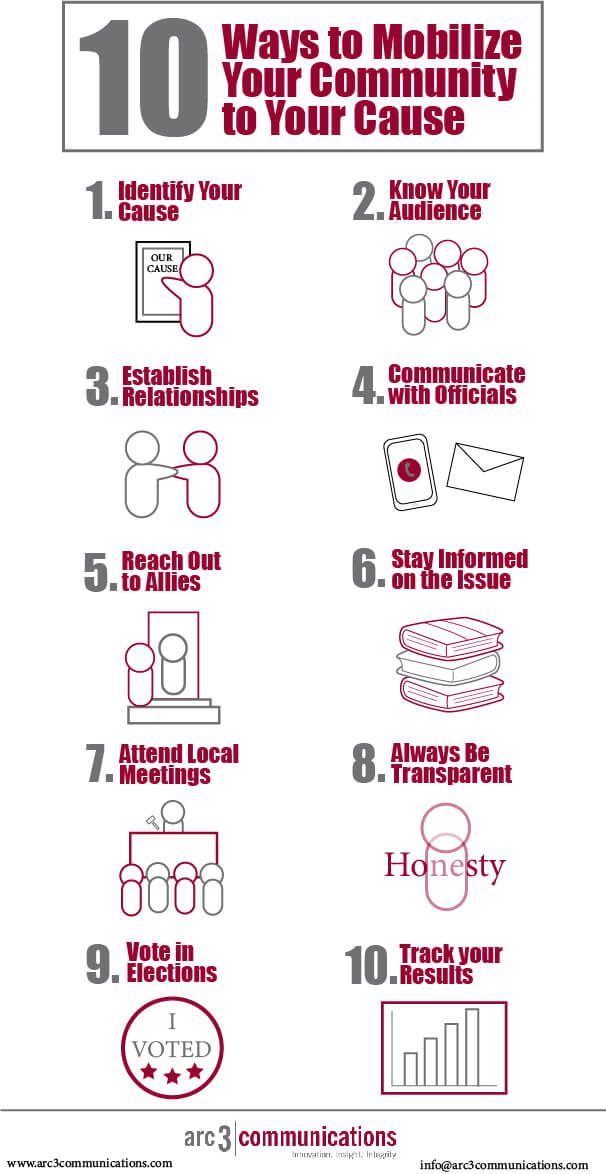
10 Ways to Mobilize Your Community to Your Cause Infographic

January 10, 2020 By Patrick L. Burns Leave a Comment

When it comes to making a change in your district, the most powerful tool you have is your community. The ways in which you can mobilize your community has evolved with the introduction of the internet and social media, but many of the traditional methods still remain useful.

Filed Under: Government, Public Affairs Tagged With: Advocacy, public affairs

How to Tell the Difference Between Real and Fake News Online

November 18, 2019 By Patrick L. Burns Leave a Comment

In this day and age of information at our fingertips, 24/7  updates, and social media, it is easy to get overwhelmed and loose track of what news is coming from where. This is when people begin to react with their emotions over their logic. Someone may see a headline that sparks a reaction in them, and they immediately share it on social media. Many times, they will not even read the article or check the source, they simply see a headline, react, and share. This often results in the spread of fake news, and many of these false stories even end up going viral.

Fake news is nothing new, it has always been around to mislead or sway people towards a certain belief or action. The difference is now, with the internet and social media, fake news can be spread quickly and reach millions in minutes. There are many reasons why people share fake news stories, and they aren’t always bad intentions. Many people will see a story that supports their views, opinions, or beliefs and without looking too much into it, will share it.

With most of the world getting their news online and through social media, fake news is never hard to come across. It comes in many forms; but will always have an eye-catching headline that tells a story without the reader needing to read the rest of the article. Even if a reader does decide to read the article, these stories are made to seem credible and true. They may even take a story that is real news and change important details to spin the story to the desired view.

This is why readers need to take time and do a little research to verify the news they are reading and sharing with others is, in fact, real news from a credible source. Below are a few steps you can take to make sure the information you are receiving and sending is reliable and true.

  1. Be sure your news is coming from a credible source.

Pay close attention to the source your story or information is coming from. Is this a credible source? One way to determine this is to look at the author of the piece. Many fake news stories tend to have “staff” or even no author listed. Once you find the author, do a quick search on that author and see what else they have published and if there are any complaints about them producing fake news.

Another big indicator is the domain name, as many websites have been made to mimic true news sources. Watch out for anything with a “.com.co” at the end of the URL, this can be done with well-known news source names to trick readers. A quick web search of the domain name can give you more insight into whether the site is a credible source for news.

One more thing you can do to determine a websites credibility is to check the rest of the website. Do they have sources cited on their stories? Do they have legitimate contact information? Are they well-known or lesser known? Have they covered well-known news stories or do all of their stories appear in a clickbait fashion? These determinates can help you discover whether the site you are reading news from is credible and dependable for future news.

  1. Read more than just the headline and sub-headline.

A big problem with the spread of fake news is that so many people will see a catchy or controversial headline and immediately share out of an emotional reaction. Others will click the link and maybe scan the article quickly, decide it appeals to their views, and share it without ever checking for credibility. This is where a major problem lies and how false stories get spread so quickly by so many.

Take time to go to the story and read through it carefully, maybe even more than once. Check the credibility of the author and website as laid out in the first step. Sometimes you may find the story behind the headline is something completely different from what it was made to sound like. Other red flags may be bad grammar or misspellings throughout the story, this could point to a fake story as credible pieces are proofed quite thoroughly. Check to see if any facts or quotes shared in the story are cited at the end of the article, and if so, are those sources credible as well. This may sound like a lot of work, but it will help to protect your character and credibility as well as make sure you are getting reliable and correct information.

  1. Is the information being reported by multiple sources?

When you find a news story of interest, check and see if it is being reported on by multiple news sources. Usually, if a story is true and timely, it will be covered by more than one news source. It is very rare that a story that is capable of making the news will only be reported by one publication. If it is a national or international story, check with trusted major news organizations to see if they have any mention or information on the story. If you are reading a local story, check with other local publications or get in contact with your local publication and see if they have heard anything about the story in question.

In addition to this, make sure the story you are looking at is timely. Sometimes an old  story will begin to circulate attempting to pass as a new story. There may also be an attempt to falsify this information, which is why it is always good to cross examine with other news sources.

  1. Check Your Story with a Fact Checking Website.

With so much information available the internet, it is not always possible to do in depth research for every story you come across. If there is a viral story you come across, there are fact checking websites that do this research for you. Websites such as www.snopes.com take viral news stories and let you know whether they are real or fake, and if they are real, if the facts presented in the story are accurate. There are many websites like this online, so it also wise to make sure you are using one that is credible and non-biased to get accurate information.

There are fact checking websites run by non-profits, educational centers, and libraries. These are usually the most reliable ones to gather information from.

In Conclusion

When gathering your news from social media and online sources, your critical thinking and attention to detail will go far in detecting fake news. Often fake news stories are made to drive emotional responses and are written in such a way to do just that. Practice taking the time to check sources, research the story, and use fact checking sites to weed out the fake news from the real news. With time, you will begin to see a trend in how fake news presents itself and will be well equipped to avoid it. By following these simple steps, you can help prevent the spread of fake news and misinformation and help your credibility in the process. In a time of unlimited information, make sure the news you are getting is credible and dependable.


Filed Under: Campaigns and Elections, Government, News, Public Affairs Tagged With: Campaigns and Elections, Fake News, How To, News, social media, Social Media and Politics

How to Better Keep Track of the News Important to You

August 9, 2019 By Patrick L. Burns Leave a Comment


For decades, people have used news monitoring to track issues that affect them, their business, their association, or their cause. In the past, this was done with a process called “clipping” which was scanning local and national newspapers for stories related to these categories and cutting them out to keep a tab on issues at hand.  This form of news scanning was an essential practice in nearly every aspect of life, from politics to business to advocacy. It allowed one to keep up with new developments in a campaign, on an issue, with a market, or with a competitor. In today’s online world, this process still exists; it has simply gone to the online world and covers a much larger scale. This can be overwhelming, and it can seem impossible to keep up to date with the 24/7 news cycle and nearly immediate news updates. There are many tools and strategies you can use to help make this process easier while increasing effectiveness.

Google Alerts

Google is a search engine that grants people quick access to information. It can be quite time consuming to search each term or phrase that relates to your issue and try to sift through countless stories and websites trying to find the most recent developments. This is where Google Alerts can be used to help save time and increase the efficiency of your news scanning.

Google Alerts is a free-to-use service in which you can add all of your key terms and phrases to a list and Google will send you email alerts whenever a news story or update is released that relates to that term or phrase. You can schedule a set time that all of your alerts come into your email. You can choose morning, afternoon, or evening or even multiple times throughout the day, if you have an issue that needs constant monitoring.

It is also good practice to add a Google Alert for your name. Doing this will allow you to be alerted anytime your name appears in a story or somewhere online. Also, if you own a business or brand, you should have an alert set up for these as well for the same reasons.

Feedly

Feedly is a news aggregator application for your web browser that allows you to bookmark and organize all of the websites you regularly check for updates. You can categorize these based on your needs so you can keep track of different sites for different topics. The feed allows you to scan RSS feeds, news and updates from your tracked sites by date and popularity all in one place. Having all of your news sources together saves you the time of having to go to each site separately looking for updates.

Feedly is a free-to-use platform which includes most of its features, but also has a paid pro option that will allow you to incorporate your Google Alerts into your Feedly feed as well as give you access to unlimited feeds, sources, and premium customer service.

Following Social Media

Much important news is shared these days through social media. A good practice to have is to make sure you follow your news sources on social media platforms such as Twitter and activate notifications for any that you need to track closely. This way, when something new is posted or updated you can be in the loop. Sometimes news and updates will be posted to social media before they are released on news sites; this way, you can keep on top of important issues that affect you and your business or association.

Following specific hashtags is also a great way to keep up on trending news related to your cause or industry. You should do research and find if there are any highly-used hashtags that fit to your needs and follow them as they tend to lead you to updates and news quickly as well. Though social media can get quite noisy at times, it is still a great source of updates for news, causes, and events if you can develop a system for aggregating the news important to you through notifications and hashtags.

Stay in the Loop

There are many options for staying on top of news related to your specific needs. In today’s world of quick, shortened news cycles and instant 24/7 news updates, it can seem impossible to keep up with everything at once, but these tools help make it easier and less stressful. Of course, there is nothing wrong with reading the local newspapers or doing Google searches for news updates. These suggestions are simple tools that will make monitoring news much more productive while giving a broad scope of resources all at once in an organized way. Keeping on top of things is essential for many businesses, causes, and just day to day life, and with these tools, you’re all set.

Need More Help?

For more information, visit us at www.arc3communications.com or contact Patrick Burns at pburns@arc3communications.com. We look forward to working with you to acheive all of your content, digital, and advocacy goals.

Filed Under: Business Advocacy, Campaigns and Elections, Content Marketing, News, Public Affairs, Strategic Communications Planning

Ways to Mobilize Your Community to Support Your Cause

June 26, 2019 By Patrick L. Burns Leave a Comment

When it comes to making a change in your community, the most powerful tool you have is the community itself. How you can mobilize your community has evolved with the growth of social media, but many of the traditional methods still remain most useful. In fact, all of these tactics should be used together to bring awareness and organize your community to support your issue and gain the attention of your elected officials. This article will explore what is known as “slacktivism,” a form of social media engagement regarding a cause, and traditional tactics to bringing attention and action to an issue.

Slacktivism

In our age of social media, many issues become viral social media campaigns resulting in shares, comments, likes, and views but most of the time, little else. This isn’t to say “slacktivism” is entirely useless, in fact, it does raise awareness of an issue and can even inform people and get people talking about the subject. The problem lies in that these campaigns alone rarely result in action being taken. People comment, like, and share or sign an online petition and feel accomplished, like they have done something to help the issue when, in fact, it takes much more effort than that. This is why the term is a combination of “slacker” and “activism” because not much effort goes into participating in these online interactions and involvement often ends there.

This does not mean that online advocacy is useless, as previously stated, it can work wonders in raising awareness and spreading a message further and faster than many traditional forms of information sharing. It becomes hindered when it ends with this social media step. When people hit share and feel they have done enough and then move on. In turn, if it goes on to spark action and mobilization in the non-digital world, then it can be measured as a useful tactic. Online advocacy should be viewed as a tool, and not a complete solution to driving your issue. 

Traditional

The traditional ways are still the most effective for mobilizing your community. Traditional methods are complemented and enhanced by the online and social media aspects we have in the digital age, but the tried and true forms of raising awareness and prompting action still hold strong. As stated before, engagement efforts must be utilized offline in the community itself to see real results. Writing letters and direct mail, volunteer phone banking, going door to door, and organizing local precinct level meetings are proven ways to reach the people of your area and really add voices to your cause. These tactics allow you to know that you are reaching the population you intend to reach and also allow you to form relationships that will benefit your cause in the long run. These traditional strategies combined with an online strategy will help mobilize your community. The effectiveness of your traditional and online strategies, however, hinges on a properly developed and crafted message. It is vital that your message informs and is credible and factual.  You also want to be prepared to answer any tough questions that may be raised regarding your position and help alleviate any concerns among elected officials, the media and the public. Having a message that is factual and based on credible personal stories and sources goes a long way in building support.

In Conclusion

When bringing attention to an issue, both new and traditional tactics can be used together to mobilize your community, gain support, and ultimately bring about desired policy and legislative changes. Digital advocacy and social media campaigns are persuasive and bring awareness, while traditional measures bring people to concrete action within the community. A balance of these different tactics will help result in successful campaigns. These strategies used with a strong message, grab people’s attention and provide them with enough facts to make an educated decision to act. A community mobilized behind an issue is an extremely effective force in getting a legislative or policy change. In fact, it’s near impossible to get things done otherwise.

Need more advice or help?

For more information, visit us at www.arc3communications.com or contact Patrick Burns at pburns@arc3communications.com. We look forward to working with you to achieve your goals and help your voice be heard to bring positive changes to your community.

Filed Under: Business Advocacy, Community Involvement, Public Affairs Tagged With: Advocacy, Community Involvement, Legislation, Policy Change, public affairs

The 2 Most Popular Article Types for Association Content Marketers

May 30, 2019 By Patrick L. Burns Leave a Comment

In a digital age, content marketing is one of the best marketing strategies that can be used by associations’ large and small. There is a wide variety of options in the world of content marketing and choosing the best types of content for your association can be challenging. Of course, you do not have to use just one type of content, in fact using a variety of different content formats is good for keeping your membership and stakeholder audiences interested. These different types of content can be tailored to fit your association and reach your target audiences. This guide will identify two of the most popular forms of content out there right now and explain what each of these can accomplish for your association.

  1. Listicle Articles

We have all read listicle articles in magazines or on social media, even if we didn’t know that is what they were called. In fact, the article you are reading right now is a listicle. Listicles are highly popular due to their ability to be very informative while being easy-to-read and aesthetically pleasing. Arranging information in a list format and including numbers in the title and body of the article has been proven to be psychologically attractive and draws in readers. People like having their information in list form; and with a catchy title, this form of content can greatly increase page views, shares and likes.  Listicles will usually have a numerically based title, for example: “Top 10,” “6 Ways to,” “5 best,” etc. These numbers can either be a ranking system or simply organize information into the list. Unlike How-To articles (which we will discuss next) listicles do not necessarily have to show someone how to do something or teach a skill; it can simply be used for informing readers or for entertainment purposes. The items in a listicle will usually be related to an overall theme such as “10 Things to Consider When Writing Captivating Content for Members”. This theme will be something related to your association that will attract your membership and stakeholders. Listicles are immensely popular and can be tailored to any policy or content bucket.

  1. How-To Articles

How-to articles are another extremely popular form of content. The how-to article is written in a sequence of steps and shows the reader how to perform a skill or complete a task. In the past it was enough to use a title like “How to do…” but now, with social media and endless online articles for your members and stakeholders to choose from, you have to be creative with your titles and content in order to catch the attention of readers. How-to articles are much more specific than listicles, usually explaining a specific task or skill. Often, listicles and how-to articles can cross paths with steps and guides written in a numbered list format like “10 Easy Steps to Building a Remarkably Popular Website.” This translates roughly to “How to Build a Website” but uses much more exciting and interesting language. Like listicle articles, how-to articles increase traffic, shares, and likes and can benefit your SEO and keyword placement. Writing how-to articles that take a unique approach to a topic and take a new angle on what might be a well-known subject to your members is the key to leveraging this content format.

In the End, Quality Content Works

Ultimately, the most important thing about creating content is making sure that it is of high quality.  You can pump out countless content pieces, fast and furious; and have them all fall flat because there is no value to them. Quality over quantity is the golden rule when it comes to creating new content for your marketing campaigns. Well-crafted content will boost the visibility of your website and ultimately increase your audience numbers. Interesting and readable content will go far in engaging your membership and keep them coming back for more. Strong content is also more likely to be shared on social media, thus acting as free advertising and driving traffic to your website and generating membership leads for your association. While the two content types discussed in this article are the most popular and effective, they certainly are in no way the only types you can use to be effective. In the end, if you create quality content, your membership and stakeholder audiences will rely on you time and again as a trusted and valuable resource.

For more information or help with your association’s content marketing visit us at www.arc3communications.com or contact Patrick Burns at pburns@arc3communications.com. We look forward to working with you to achieve your goals and develop successful content marketing strategies to help your association grow.

Filed Under: Content Marketing, Digital Marketing, Public Affairs Tagged With: Arc 3 Communications, Content Marketing, Digital and Trade Associations, How To, Listicles, media relations, Membership, Trade Associations

  • « Previous Page
  • 1
  • 2
  • 3
  • 4
  • 5
  • …
  • 8
  • Next Page »

Newsletter

Want to receive the latest news in digital and public affairs? Sign up to receive our updates.

Recent Posts

  • We’re Hiring! Account Executive, Public Affairs Job Opening in ATL
  • Arc 3 Communications Celebrates 14-year Business Anniversary
  • Join Our Team! Public Affairs Internship Opportunity in Georgia
  • Announcing New Account Executive for Public Affairs, Christian Frankl
  • What is Public Affairs? (Infographic)

About Our Founder

Husband, Father of 5, Founder of Arc 3 Communications - a public affairs agency. Over 30 years in politics and public affairs. Follow me on twitter and instagram at @patricklburns. I live, work and play in the community I grew up in. Read More…

Our Location

We’re located in historic downtown Marietta just off of the Square.

145 Church Street, Suite 290 Marietta Georgia 30060

Let’s Work Together

How can we help? We’d love to hear about your next  project. Contact us here.


Connect with Us

Want to keep up with the latest public affairs trends? Follow us across our social networks.

  • Facebook
  • LinkedIn
  • Twitter

Copyright © 2025 Arc 3 Communications, LLC